Understanding Eyelash Loss: Causes, Treatment, and Prevention
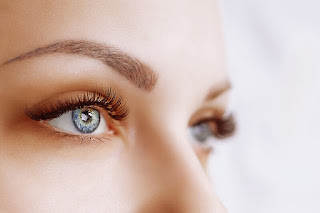
Eyelashes do more than enhance the beauty of your eyes—they also play an important protective role. They help keep dust, debris, and small particles away from the eyes while triggering the blink reflex when something gets too close. However, many people experience eyelash loss at some point in their lives. This condition, medically known as madarosis, can occur due to various reasons ranging from everyday habits to underlying health issues.
In this blog, we will explore the common causes of eyelash loss, available treatments, and effective ways to prevent it.
What is Eyelash Loss?
Eyelash loss refers to the partial or complete shedding of eyelashes from the eyelid. Just like scalp hair, eyelashes grow in cycles that include growth, rest, and shedding phases. Normally, losing a few eyelashes occasionally is completely natural. However, noticeable thinning, patchy loss, or excessive shedding may indicate an underlying issue.
Common Causes of Eyelash Loss
1. Excessive Use of Eye Makeup
Frequent use of mascara, eyelash glue, or heavy eye makeup can weaken the lash follicles over time. Waterproof mascaras in particular are harder to remove and may lead to lash breakage if rubbed aggressively.
2. Poor Makeup Removal
Sleeping with eye makeup or harshly scrubbing the eyes while removing makeup can damage eyelashes and cause them to fall out prematurely.
3. Eyelash Extensions and Lash Curlers
While eyelash extensions and curlers enhance appearance, frequent use can strain natural lashes. Extensions may pull on natural lashes, and improper use of curlers can break them.
4. Allergic Reactions
Allergic reactions to cosmetics, adhesives, or skincare products can lead to inflammation of the eyelids, resulting in eyelash shedding.
5. Medical Conditions
Several health conditions may cause eyelash loss, including:
Alopecia areata
Thyroid disorders
Blepharitis (eyelid inflammation)
Skin infections
Nutritional deficiencies
6. Stress and Hormonal Changes
Physical stress, emotional stress, or hormonal imbalances can disrupt the hair growth cycle, leading to increased lash shedding.
7. Aging
As we age, hair growth naturally slows down, and lashes may become thinner and less dense.
Treatment Options for Eyelash Loss
1. Improve Eyelid Hygiene
Keeping the eyelids clean helps prevent infections and inflammation. Use gentle cleansers specifically formulated for the eye area.
2. Nutritional Support
A balanced diet rich in vitamins and minerals such as biotin, vitamin E, iron, and protein can support healthy hair growth.
3. Natural Oils
Applying small amounts of oils such as castor oil or coconut oil may help moisturize lashes and strengthen them.
4. Medical Treatments
In cases caused by underlying health issues, doctors may prescribe treatments such as:
Topical medications
Anti-inflammatory creams
Treatments for thyroid disorders or infections
5. Prescription Lash Growth Serums
Some clinically approved lash growth serums may help stimulate eyelash growth when used consistently.
Prevention Tips for Healthy Eyelashes
1. Remove Makeup Gently
Always remove eye makeup before sleeping using a gentle, oil-based remover.
2. Avoid Excessive Rubbing
Rubbing your eyes frequently can damage lash follicles.
3. Limit Use of Eyelash Extensions
Give your natural lashes time to recover between extension applications.
4. Maintain a Healthy Diet
Eat nutrient-rich foods including leafy greens, nuts, eggs, and fish to support hair health.
5. Replace Old Makeup Products
Old mascara or contaminated eye products can cause infections and irritation.
When to See a Doctor
If you notice sudden, patchy, or severe eyelash loss, it’s important to consult a healthcare professional. Persistent eyelash shedding could be linked to medical conditions that require proper diagnosis and treatment.
Final Thoughts
Eyelash loss can be concerning, but in many cases, it is temporary and manageable. By understanding the causes and adopting healthy eye-care habits, you can protect your lashes and promote natural regrowth. If the problem persists, seeking medical advice can help identify the underlying cause and guide appropriate treatment.
Healthy lashes start with gentle care, proper nutrition, and mindful beauty routines.

Comments
Post a Comment